
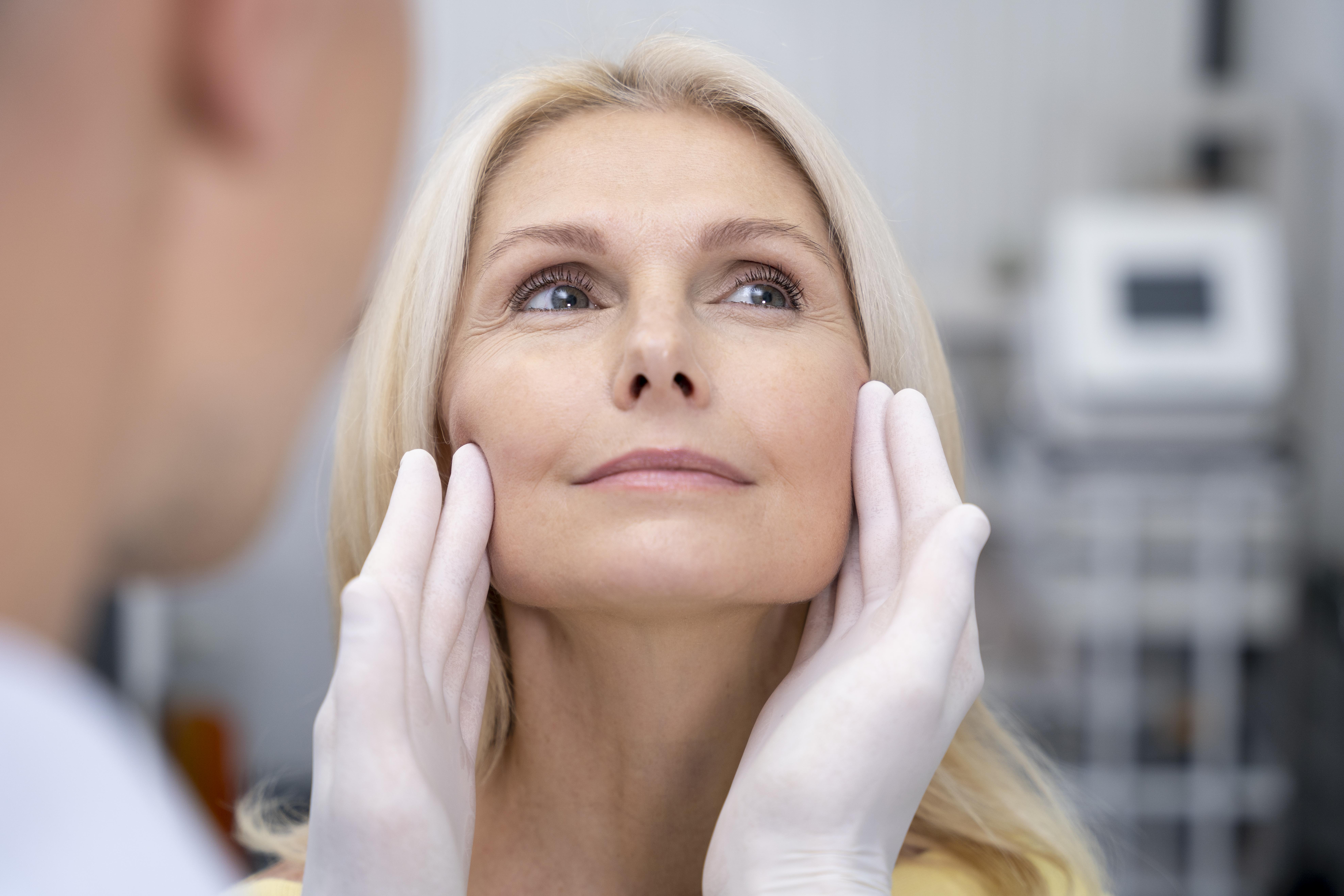
As we age, changes in the skin, fat distribution, and underlying facial structure can lead to sagging, deep folds, and a loss of youthful contours. While non-surgical med spa treatments can significantly improve early signs of aging, there comes a point where more comprehensive rejuvenation may be considered. A facelift is one of the most effective surgical options for restoring a more youthful facial appearance. At Rochester Beauty Bar in Rochester, MI, we often help patients understand when a facelift may be appropriate and how it compares to non-invasive treatments.
This guide explains what a facelift is, how it works, and who may be an ideal candidate.
What Is a Facelift?
A facelift, medically known as a rhytidectomy, is a surgical procedure designed to reduce visible signs of aging in the face and neck. It focuses on tightening underlying facial structures, removing excess skin, and repositioning tissues to create a smoother, more youthful appearance.
Unlike non-surgical treatments that primarily improve skin quality or provide temporary volume, a facelift addresses deeper structural changes that occur with age.
A facelift typically targets:
- Sagging skin along the jawline
- Deep nasolabial folds (smile lines)
- Jowls and loss of jaw definition
- Loose skin in the lower face and neck
- Overall facial laxity
How a Facelift Works
During a facelift procedure, a surgeon makes carefully placed incisions—often around the ears and hairline—to access underlying facial tissues.
The procedure generally involves:
- Repositioning deeper facial layers (SMAS layer)
This is the structural support layer of the face, which is lifted and tightened to restore youthful contours. - Removing or redistributing excess fat
Fat may be adjusted to improve facial balance and reduce heaviness. - Trimming and tightening skin
Excess skin is removed, and the remaining skin is re-draped for a natural appearance.
The goal is not to create an “overdone” look but to restore the face to a more refreshed version of itself.
Who Should Consider a Facelift?
A facelift is not necessary for everyone experiencing aging. It is typically best suited for individuals with more advanced signs of facial aging that cannot be fully corrected with non-invasive treatments.
You may be a good candidate if you have:
- Significant sagging in the lower face or jawline
- Deep, permanent facial folds
- Noticeable jowling
- Loose skin on the neck (often called “turkey neck”)
- A loss of facial definition that fillers alone cannot restore
Facelifts are most commonly performed on individuals in their late 40s to 70s, but age alone is not the deciding factor. Skin quality, bone structure, and degree of aging are more important considerations.
When a Facelift May NOT Be Necessary
Many patients can achieve excellent results with non-surgical med spa treatments, especially in earlier stages of aging. At Rochester Beauty Bar, we often recommend less invasive options first when appropriate, such as:
- Dermal fillers for volume loss
- Neuromodulators for dynamic wrinkles
- Laser resurfacing for skin texture and tone
- Radiofrequency microneedling for mild skin tightening
These treatments can delay the need for surgery or enhance results if a facelift is pursued later.
Facelift vs. Med Spa Treatments
It is important to understand the difference between surgical and non-surgical approaches:
Facelift (Surgical):
- Long-lasting structural changes
- Addresses deep tissue laxity
- Requires recovery time
- Best for moderate to severe aging
Med Spa Treatments (Non-Surgical):
- Improve skin quality and mild sagging
- Minimal to no downtime
- Results are temporary and require maintenance
- Best for early signs of aging or prevention
Many patients benefit from a combination approach over time, using med spa treatments before and after surgery to maintain results.
Recovery and Results
Recovery from a facelift varies depending on the extent of the procedure, but typically includes:
- Swelling and bruising for 1–2 weeks
- Gradual return to normal activities within 2–4 weeks
- Continued refinement of results over several months
Results from a facelift can last 7–10 years or longer, depending on lifestyle, skin quality, and aging progression.
The Role of Rochester Beauty Bar
While Rochester Beauty Bar in Rochester, MI does not perform surgical facelifts, we play an important role in guiding patients through the aging process. Our providers help clients:
- Determine when non-surgical treatments are sufficient
- Identify when surgical consultation may be appropriate
- Maintain surgical results with advanced med spa treatments
- Create long-term anti-aging strategies
We focus on helping patients make informed decisions based on realistic goals and skin health.
Final Thoughts
A facelift is a powerful option for individuals experiencing significant facial aging, particularly when skin laxity and structural changes become more pronounced. However, it is not the first step for everyone. Many patients benefit from starting with non-surgical treatments and progressing to surgery only when needed.
At Rochester Beauty Bar, our goal is to provide education, guidance, and personalized treatment plans that support natural-looking results at every stage of aging. Whether you are exploring med spa options or considering a facelift in the future, understanding your choices is the first step toward confident, informed decision-making.
Leave a Reply