
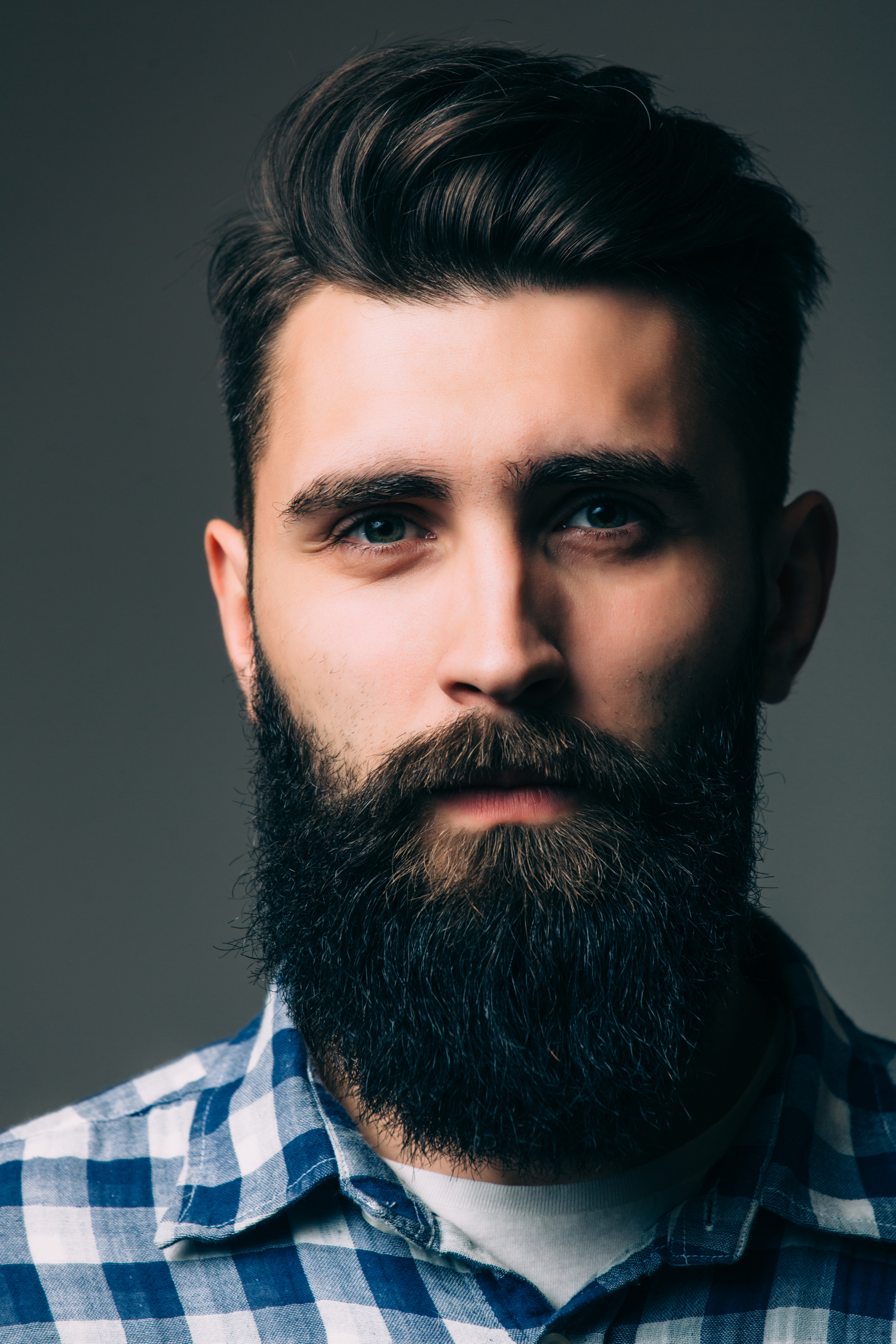
Advanced Hair Loss Solutions at Rochester Beauty Bar in Rochester, MI
Hair loss is one of the most common aesthetic concerns affecting both men and women, yet it is often misunderstood and under-treated. While surgical hair transplants have traditionally been considered the primary solution for significant hair thinning, modern regenerative medicine has introduced highly effective non-surgical alternatives that can slow hair loss, improve hair density, and stimulate natural regrowth.
At Rochester Beauty Bar in Rochester, Michigan, non-surgical hair restoration has become an increasingly popular option for patients seeking to address early to moderate hair thinning without downtime, scarring, or invasive procedures.
This guide explores the science behind hair loss, how regenerative treatments like PRP and PRF work, and what patients can realistically expect from modern non-surgical hair restoration options.
Understanding Hair Loss: Why It Happens
Hair loss is not caused by a single factor. Instead, it results from a combination of genetic, hormonal, environmental, and lifestyle influences.
Androgenetic Alopecia (Genetic Hair Loss)
The most common form of hair loss is androgenetic alopecia, also known as male or female pattern hair loss.
It is driven by:
- Genetic sensitivity to dihydrotestosterone (DHT)
- Progressive miniaturization of hair follicles
- Shortening of the hair growth cycle
In men, this typically presents as a receding hairline or crown thinning. In women, it often appears as diffuse thinning across the top of the scalp.
Hormonal Changes
Hormonal fluctuations can contribute to hair shedding, including:
- Pregnancy and postpartum changes
- Menopause
- Thyroid imbalance
- Polycystic ovary syndrome (PCOS)
These shifts can disrupt the normal hair growth cycle and lead to increased shedding.
Stress and Telogen Effluvium
Physical or emotional stress can trigger a condition called telogen effluvium, where a large number of hairs prematurely enter the resting phase.
Common triggers include:
- Illness or surgery
- Emotional trauma
- Nutritional deficiencies
- Rapid weight loss
Nutritional Deficiencies
Hair health depends on adequate levels of:
- Iron
- Vitamin D
- Protein
- Zinc
- B vitamins
Deficiencies can weaken hair structure and slow growth.
What Is Non-Surgical Hair Restoration?
Non-surgical hair restoration refers to treatments that stimulate the scalp’s natural regenerative processes without surgery.
Instead of transplanting hair follicles, these treatments aim to:
- Improve scalp circulation
- Strengthen existing hair follicles
- Prolong the growth phase of hair
- Stimulate dormant follicles
At Rochester Beauty Bar, regenerative therapies are often customized based on the patient’s degree of hair loss and underlying causes.
PRP Hair Restoration (Platelet-Rich Plasma)
PRP, or platelet-rich plasma, is one of the most widely used regenerative treatments for hair loss.
How PRP Works
PRP is created by drawing a small amount of the patient’s blood and processing it to concentrate platelets.
These platelets contain growth factors that are essential for tissue repair and regeneration.
Once injected into the scalp, PRP works by:
- Stimulating inactive hair follicles
- Improving blood supply to the scalp
- Increasing follicle diameter
- Extending the growth (anagen) phase of hair
What to Expect During PRP Treatment
A typical PRP session includes:
- Blood draw
- Centrifuge processing
- Scalp injections in targeted areas
The procedure is minimally invasive and requires little to no downtime.
Most patients describe the sensation as mild pressure or discomfort rather than pain.
Results Timeline
PRP results are gradual and typically appear over several months.
Patients may notice:
- Reduced shedding within 4–6 weeks
- Improved hair texture and thickness within 3–4 months
- Continued improvement over 6–12 months
Multiple sessions are usually recommended for optimal results.
PRF Hair Restoration (Platelet-Rich Fibrin)
PRF is considered an advanced evolution of PRP.
While similar in concept, PRF is processed in a way that retains more growth factors and releases them more slowly over time.
Key Differences Between PRP and PRF
- PRF contains a higher concentration of growth factors
- It releases regenerative signals over a longer period
- It does not require anticoagulants during preparation
- It may provide more sustained stimulation of hair follicles
Because of its extended release properties, PRF is often considered a more advanced option for patients seeking enhanced regenerative effects.
Who Is a Good Candidate for PRP or PRF?
Non-surgical hair restoration works best for patients who are in the early to moderate stages of hair loss.
Ideal candidates include:
- Individuals noticing thinning at the crown or hairline
- Patients experiencing increased shedding
- Men and women with early androgenetic alopecia
- Patients seeking preventative treatment
- Individuals not yet ready for surgical hair transplantation
Patients with complete follicle loss may not respond as effectively, as regenerative treatments rely on existing follicle activity.
Combining Hair Restoration Treatments for Better Results
Modern hair restoration is most effective when multiple modalities are combined.
At Rochester Beauty Bar, treatment plans may include:
Topical Therapies
- Minoxidil to stimulate follicle activity
- Prescription-strength scalp treatments
Oral Supplements
- Biotin
- Vitamin D
- Iron (if deficient)
- Hair-specific nutraceuticals
Scalp Health Treatments
- Microneedling of the scalp
- Growth factor serums
- Anti-inflammatory scalp care
Lifestyle Optimization
- Stress management
- Nutrition improvements
- Hormonal evaluation when needed
What Results Are Realistic?
It is important for patients to have realistic expectations.
Non-surgical hair restoration is not designed to create entirely new hairlines or replace surgical transplants in advanced cases.
Instead, it aims to:
- Slow or stop ongoing hair loss
- Improve thickness of existing hair
- Reactivate weakened follicles
- Enhance overall scalp health
Patients who respond well often describe their hair as:
- Fuller
- Stronger
- Healthier-looking
- Less prone to shedding
Safety and Recovery
PRP and PRF treatments are considered safe because they use the patient’s own blood components.
Common temporary effects may include:
- Mild scalp tenderness
- Slight swelling
- Temporary redness at injection sites
These effects typically resolve within a short period.
There is minimal downtime, and most patients return to normal activities the same day.
Why Early Treatment Matters
One of the most important principles in hair restoration is timing.
The earlier treatment begins, the more active hair follicles remain available to stimulate.
Delaying treatment may lead to:
- Further follicle miniaturization
- Reduced response to therapy
- Increased difficulty achieving density improvement
Early intervention significantly improves long-term outcomes.
Conclusion: A Regenerative Approach to Hair Loss
Hair loss no longer has to be treated as an irreversible condition. With advances in regenerative medicine, patients now have access to non-surgical treatments that support natural hair growth and scalp health.
At Rochester Beauty Bar in Rochester, MI, PRP and PRF hair restoration treatments are designed to help patients slow hair loss, strengthen existing hair, and restore confidence without surgery.
The key to success is early intervention, consistent treatment, and a comprehensive approach tailored to each individual’s biology and goals.
Call to Action
If you are experiencing hair thinning or early signs of hair loss, schedule a consultation at Rochester Beauty Bar in Rochester, MI to determine whether PRP or PRF hair restoration is right for you.
Leave a Reply